The world of artificial intelligence is evolving rapidly, and Google has introduced Gemma 4, a powerful addition to the growing ecosystem of open AI models. Designed to be efficient, flexible, and developer-friendly, this model is quickly gaining attention for its ability to deliver high performance without requiring heavy computing resources.
Why This AI Model Stands Out
One of the key reasons this AI model stands out is its accessibility. Unlike many traditional systems that depend on expensive cloud infrastructure, it can run on local devices such as personal computers and GPUs. This makes it an ideal choice for developers who want to build scalable solutions while maintaining data privacy and reducing costs. It also allows startups and small teams to experiment with AI without heavy investment.
Multimodal AI Model Capabilities
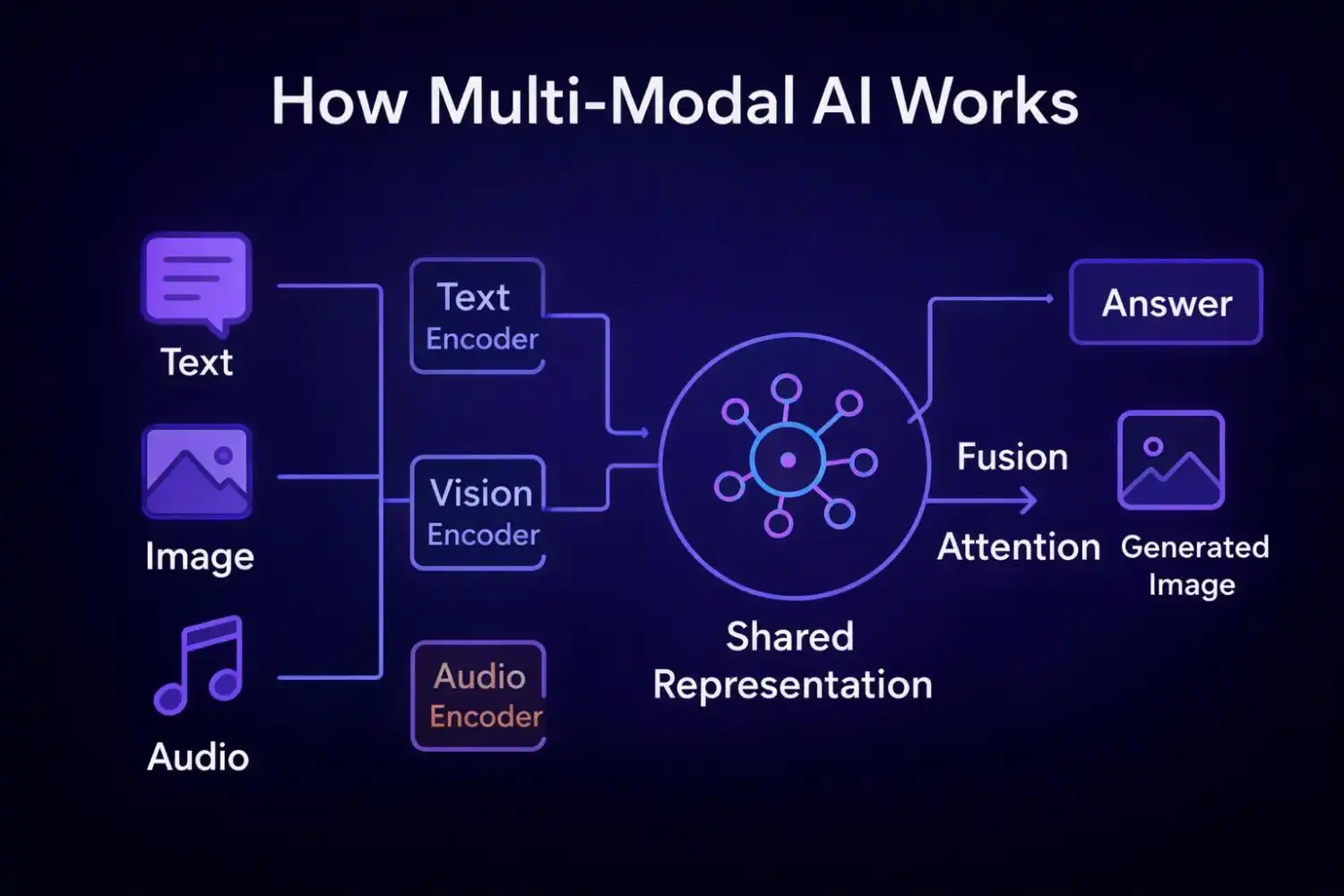
A major highlight of this system is its strength as a multimodal AI model. It can process and understand different types of data, including text, images, audio, and video. This capability allows businesses and developers to create smarter applications such as AI assistants, content analysis tools, and automation systems that work across multiple data formats. As a result, user experiences become more interactive and intelligent.
Agentic AI Workflows and Automation
The model also supports agentic AI workflows, enabling systems to perform tasks autonomously. Developers can build AI agents that not only respond to queries but also take actions, make decisions, and complete workflows without constant human input. This level of automation is transforming industries like digital marketing, customer service, and software development, making processes faster and more efficient.
The Role of Open AI in Innovation
This technology is part of a broader shift toward open AI, where accessibility and innovation go hand in hand. With its Apache 2.0 license, it allows developers to use, modify, and deploy the system freely. This encourages faster innovation and helps businesses experiment with new AI-powered solutions without heavy restrictions. Open ecosystems like this also promote collaboration among developers worldwide.
Performance and Global Reach
From a performance perspective, the system is built to handle complex reasoning tasks efficiently. It supports long context windows, allowing it to process large amounts of information with accuracy. Additionally, its support for multiple languages makes it a global solution suitable for diverse industries and audiences, enabling businesses to reach wider markets.
Conclusion
As artificial intelligence continues to evolve, tools like Gemma 4 are leading the way toward a more accessible and privacy-focused future. Businesses that adopt such technologies early can gain a strong competitive advantage by improving efficiency and delivering better user experiences. With its multimodal capabilities, support for automation, and open AI approach, this innovation is set to shape the future of intelligent systems.