In the AI search era, ranking isn’t the challenge – being chosen is. And EEAT decides who gets picked.
AI search engines like Google’s AI Overviews, ChatGPT Search, Perplexity, and Gemini don’t just list links anymore. They interpret, summarize, and decide which sources are trustworthy enough to include. This is exactly where EEAT in the Age of AI Era becomes a deciding factor. If your content doesn’t show real expertise, authority, and trust, AI systems simply skip you, even if your SEO is strong.
So let’s break down why EEAT SEO matters more today, what has changed in the AI-powered search environment, and how you can strengthen your signals for AI-driven discovery.
What EEAT Really Means Today
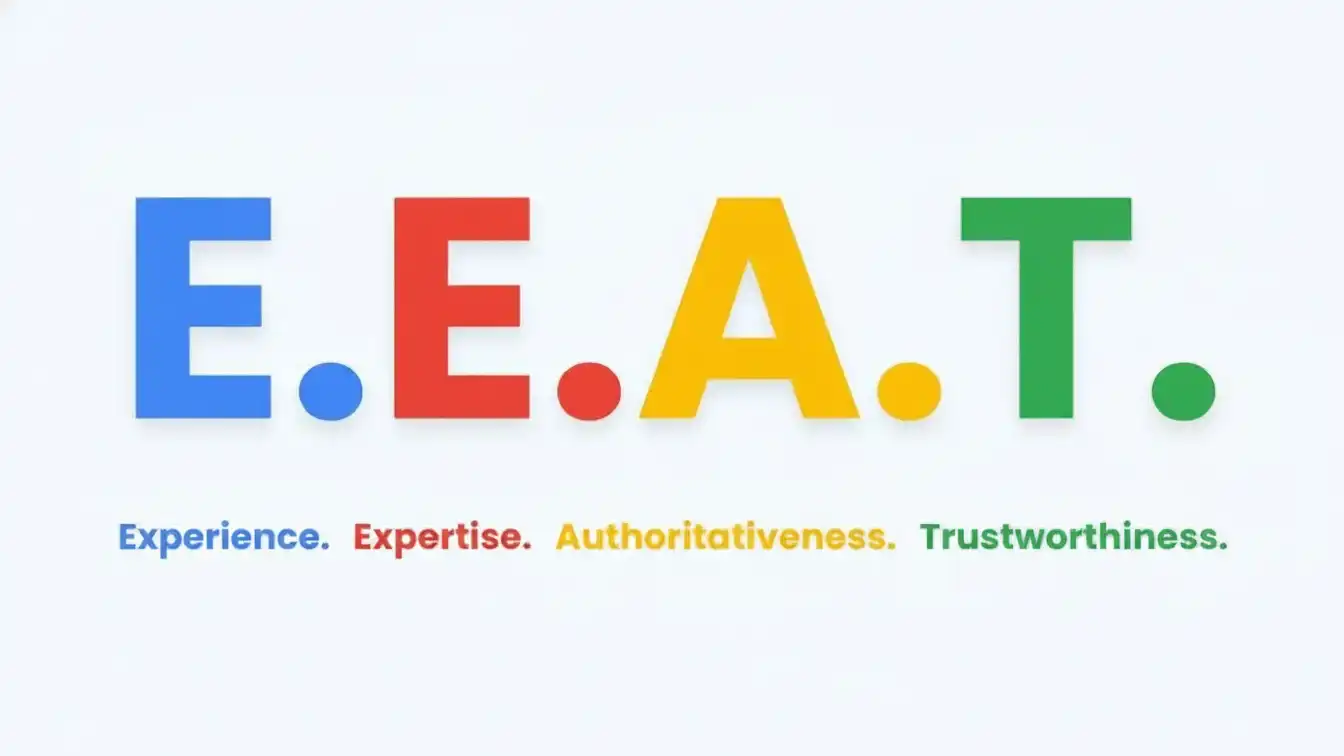
Before you understand why EEAT in AI Era matters so much, you need to know what EEAT actually is. Google created EEAT as a framework to judge whether content is written by real people with real knowledge, not by random writers or low-quality AI content.
Here’s what each part means in simple terms:
Experience
Has the person actually done, tested, used, or tried what they’re talking about?
Google wants proof that the writer is not guessing. Real photos, examples, results, or personal insights show true experience.
Expertise
Does the author genuinely understand the topic?
This can come from education, professional skill, deep research, or long-term involvement in the field.
Authoritativeness
Do others trust and recognize this person or brand?
Mentions, citations, backlinks, press features, and being known in your niche help AI systems see you as an authority.
Trustworthiness
Is the content safe, transparent, accurate, and honest?
Google checks whether your site is secure, your facts are correct, your sources are cited, and your information is reliable.
In the old SEO days, EEAT was mostly a guideline for quality raters. But now, in the EEAT for the AI search environment, it has become essential.
AI systems use EEAT to separate credible human expertise from the huge wave of generic AI-generated content on the internet. Without EEAT signals, your content is far less likely to be selected, cited, or shown in AI-driven search results.
Why EEAT Matters Even More in the AI Era
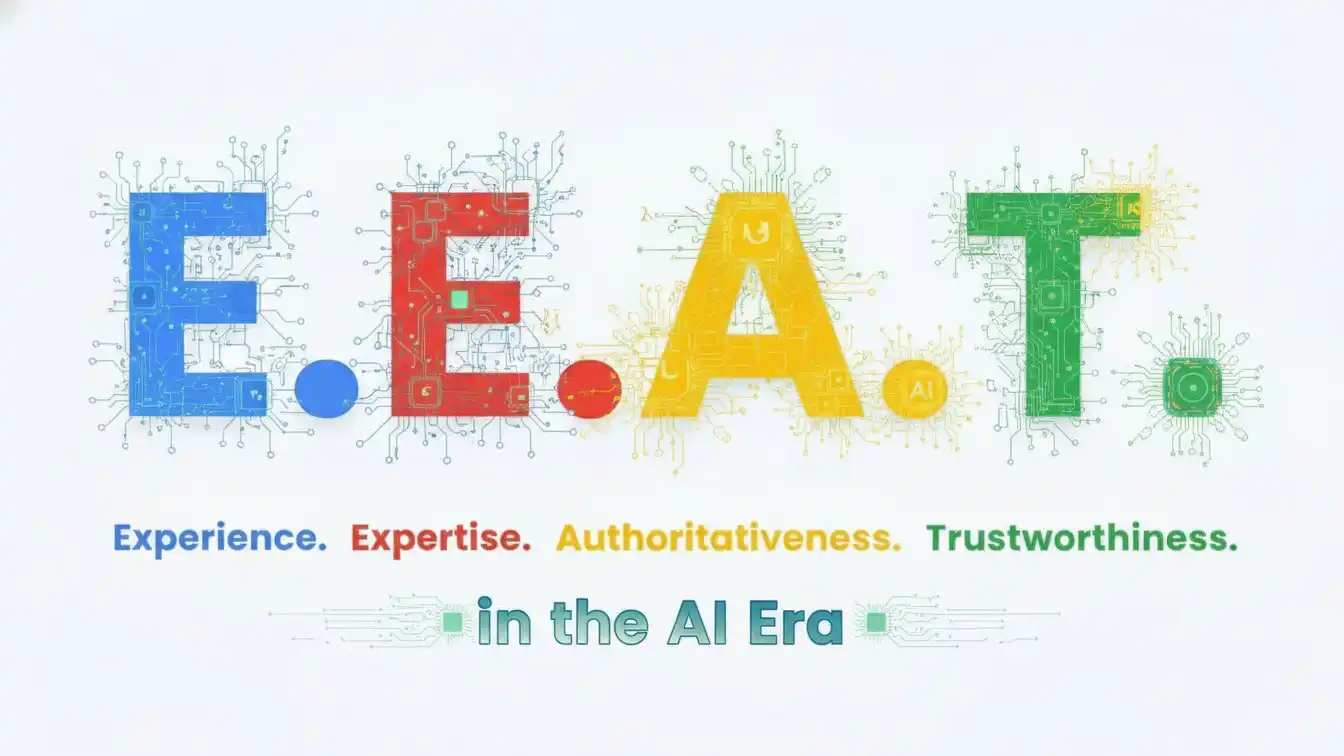
Google and AI search engines have one major challenge: They must avoid misinformation.
Large language models can generate summaries quickly, but they rely heavily on trustworthy, human-created content. That’s why EEAT in the Age of AI Era has become a critical ranking and selection signal.
Here’s how AI uses EEAT today:
AI Needs Reliable Training Data
LLMs are trained on high-quality sources. Content with strong EEAT signals is more likely to be included in their training and retrieval systems.
AI Overviews and ChatGPT Search Cite High EEAT Sources
To generate safe and accurate answers, AI models look for authoritative and experienced voices, not generic articles.
EEAT SEO Helps Break Ties Between Similar Pages
If two pages have equally strong content, the one with stronger EEAT signals gets picked by AI systems.
First Hand Experience Beats Generic AI Content
AI-generated content lacks real experience.
Your original insights, case studies, examples, and photos give you an advantage AI cannot replicate.
In short:
EEAT in AI Era is not optional, it’s the new baseline for visibility.
What Happens If You Ignore EEAT Now?
Ignoring EEAT doesn’t just hurt your rankings, it reduces your visibility across all AI-powered search systems. Without trust signals, AI models hesitate to surface your content.
You also risk missing out on AI-generated summaries, losing traffic even with strong SEO, being outranked by real experts, and facing lower user trust. For YMYL topics, the impact can be even more severe with potential demotions.
In simple terms, without strong EEAT signals, AI models don’t trust your content enough to reference it and that directly limits your reach and authority.
How to Strengthen EEAT for AI Search
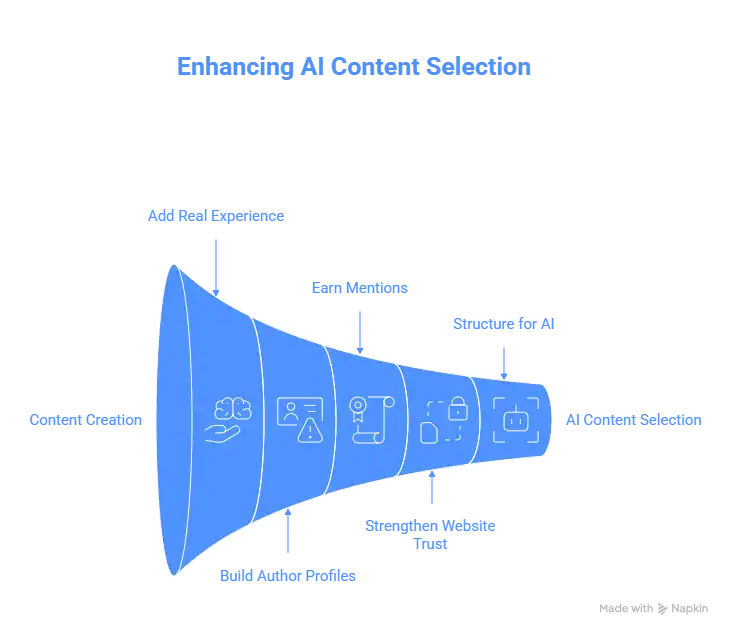
If you want AI systems to select your content, you need to send clear signals that you are credible and knowledgeable. Here’s how:
1. Add Real Experience to Your Content
To make AI trust your content, you must show firsthand experience. AI can easily detect when content is generic vs. genuinely expert-driven.
Use:
- Case studies
- Real photos or screenshots
- Mistakes, learnings, comparisons
- Practical steps only an experienced person would know
This is one of the strongest EEAT signals in the AI era.
2. Build Strong Author Profiles
AI prefers content written by real, identifiable experts with verifiable backgrounds. Strong author signals increase your credibility instantly.
Add:
- Clear bylines
- Detailed author bios
- Professional credentials
- LinkedIn profiles
- Schema markup for authors
Anonymous content weakens EEAT SEO.
3. Earn Mentions and Backlinks from Real Sources
AI trusts what others trust. When credible sites mention you, it proves your authority and expertise to search systems.
Focus on:
- Digital PR
- Niche industry mentions
- Expert roundups
- High-quality backlinks
- Speaking or podcast appearances
These tell AI your brand is trustworthy.
4. Strengthen Your Website’s Trust Signals
Your website must feel safe, transparent, and user-friendly. Strong trust signals help both AI and users evaluate your credibility quickly.
Include:
- HTTPS
- Clear About and Contact pages
- Editorial guidelines
- No spammy ads
- Easy navigation
Trustworthiness is a key part of EEAT for AI search.
5. Structure Content for AI Summaries
AI reads content differently from humans and pulls information in a structured manner. Make your content easy for models to scan and extract.
Use:
- Clean H2–H3 structure
- Direct answers at the top
- Bullet points
- FAQ sections
- Schema markup
This increases your chances of being featured in AI snippets.
Conclusion
Search has changed, but trust hasn’t.
Even in the AI era, Google and LLM search engines need credible, expert-driven information. That’s why EEAT in the Age of AI Era is more important than ever. It determines not just whether you rank, but whether AI chooses your content for summaries, answers, and recommendations.
Strong EEAT means stronger visibility across both Google search and AI-powered search engines. Weak EEAT means disappearing from the conversation entirely.
Focus on experience, expertise, author authority, and trust, and you’ll stay visible in the future of AI search.