Ever wondered why some AI-generated articles rank instantly while human-written content barely moves?
That’s because the way search works today is completely different from a few years ago. In 2026, the real conversation around AI Content vs Human Content isn’t about choosing one side, it’s about how well your content delivers clarity, usefulness, and trust, no matter who creates it. If you care about rankings, visibility, or building a real connection with your audience, understanding this shift has become essential.
Google no longer judges content by whether it came from a human or a machine. It judges it by the value it provides. That means your success now depends on blending AI’s efficiency with human insight to create content that’s fast to produce but still genuinely helpful, original, and trustworthy. This is what real SEO work looks like in 2026, and this is what Google rewards.
What AI Content vs Human Content Actually Means
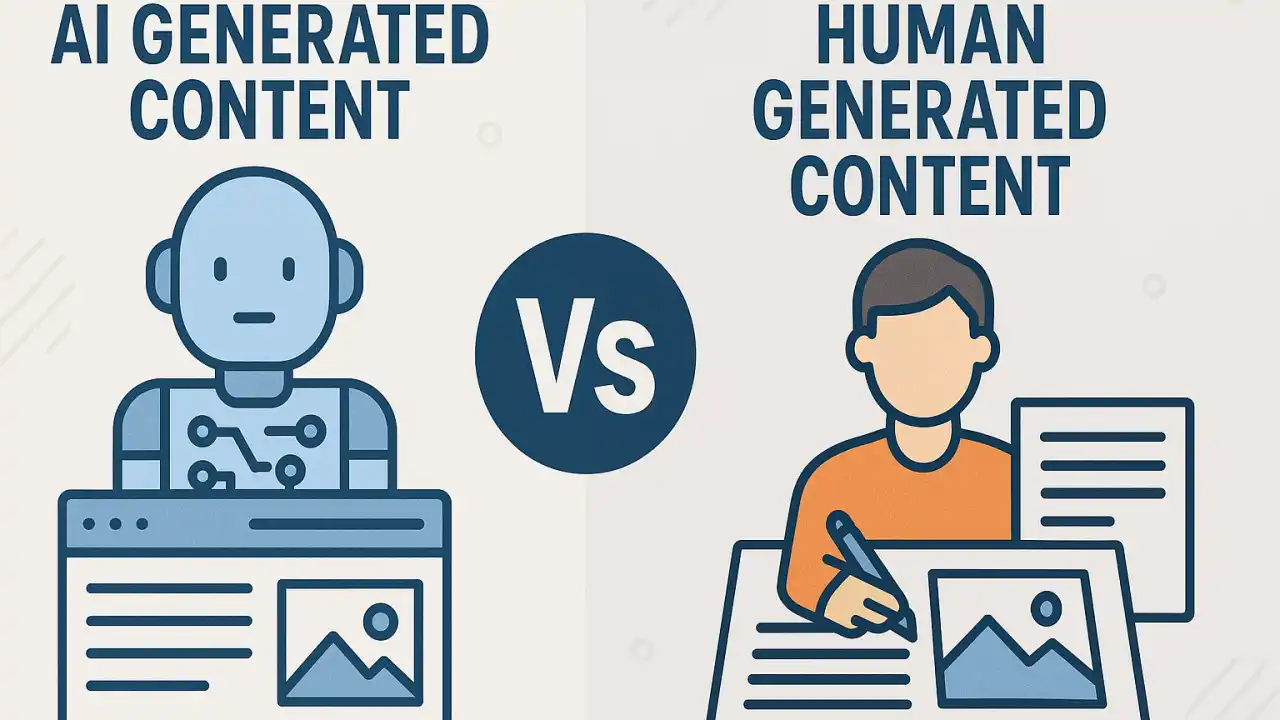
AI-generated content refers to text created using tools like ChatGPT, Gemini, and Jasper. These tools are fast, consistent, and great for producing structured information. But the AI vs human content comparison shows that machines sometimes lack emotional depth, personality, and real-world insights that only people can provide.
Human-written content reflects personal experience, storytelling, and expertise. It naturally carries credibility, but it requires more time, skill, and cost. The real challenge in 2026 is understanding how both types work together inside Google’s ranking systems.
What Google Says in 2026 About AI-Generated Content
Google’s stance in 2026 is very clear: Google ranks quality, not the tool used to create the content. What matters is whether the content is genuinely helpful to the reader.
Here’s Google’s position in simple terms:
- AI content is fully allowed and already powers many search results.
- Low-quality content, whether human or AI, is treated as spam and gets demoted.
- SpamBrain focuses on manipulation, not whether a machine or a person wrote the text.
Because of this, AI-generated content can rank extremely well when it’s accurate, useful, and aligned with search intent. And at the same time, human-written content can fail if it’s thin, unoriginal, or provides little value to the user.
Why E-E-A-T Matters More Than the AI vs Human Debate
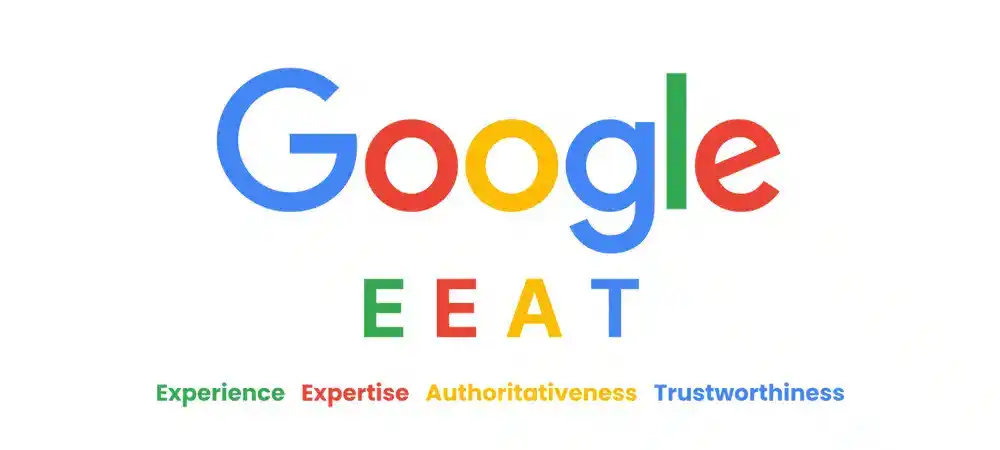
Google measures trust using E-E-A-T: Experience, Expertise, Authoritativeness, and Trustworthiness. In the AI Content vs Human Content conversation, this framework decides what ranks.
Experience is the biggest advantage of human creators because AI cannot produce first-hand insights.
Expertise and authority depend on credentials, brand reputation, and accurate references.
Trust comes from clear sourcing, transparent writing, and honest claims.
- AI helps create structure and speed.
- Humans provide real experience and credibility.
This combination is what Google rewards consistently in 2026.
Strengths and Weaknesses: AI vs Human Content
AI-generated content works best when you need fast production, scalable output, and a clean structure. It helps you gather ideas, analyze topics quickly, and generate organized drafts, making it ideal for outlines, FAQs, and keyword-focused sections. But AI still struggles with emotional depth, originality, and real-world experience, which limits how far it can go on its own.
Human content shines in areas where creativity, expertise, and personal experience matter. Skilled writers bring storytelling, nuance, and fresh perspectives that AI cannot fully replicate. This makes human-created work more trustworthy and powerful for authority-building, even though it takes more time, effort, and cost to produce. That’s why the smart strategy is simple: AI for efficiency, humans for depth.
How Google Evaluates Content in 2026
Google doesn’t check whether your content is human or AI-generated. It checks whether your content is helpful enough for the user who searched the query.
Google looks for:
- Clear answers to the user’s question
- Accurate, updated, well-structured information
- Unique insights, not rehashed text
- Smooth readability and natural tone
- Strong E-E-A-T signals
If AI-generated content fails these checks, it won’t rank. If human content fails them, it won’t rank either.
Why the Hybrid Approach Wins in 2026
The highest-ranking content today is produced by combining AI speed and human expertise. AI-generated content handles the groundwork, and humans bring originality and experience that Google prefers within its ranking systems.
Use AI for: AI speeds up the early content process by helping you brainstorm ideas quickly and explore multiple angles at once. It also organizes topics through smart clustering, so you understand what users are searching for. And when you’re ready to start writing, AI creates a clear, structured first draft that you can refine with your own expertise and real experience.
Use humans for: Human creators strengthen the content by fact-checking and refining what AI produces to ensure accuracy. They add unique opinions and first-hand insights that make the content trustworthy and experience-driven. And most importantly, humans bring the natural tone, storytelling, and brand personality that AI cannot replicate, helping the content feel real, relatable, and genuinely valuable to readers.
This blend creates the quality Google looks for in 2026.
Conclusion
Google isn’t choosing sides in the AI Content vs Human Content debate. It’s choosing content that genuinely helps users, delivers accurate information, and offers something original and trustworthy. AI-generated content gives you the speed and structure to produce more, while human content brings the depth, perspective, and credibility that Google values. And when you blend both, you create the type of content that consistently wins in search.
In today’s search landscape, the real competition isn’t between humans and AI.
It’s between high-quality content and everything that fails to meet that standard.