
When it comes to technical SEO, a common question many website owners ask is: Should you use one sitemap or multiple sitemaps?
At first, managing a single XML sitemap feels like the most efficient approach. One file, everything in one place, easy to maintain. But as websites grow, many SEO professionals deliberately move toward multiple sitemap files.
This shift isn’t random, it’s driven by practical limitations and real-world SEO needs.
Why This Question Matters in SEO
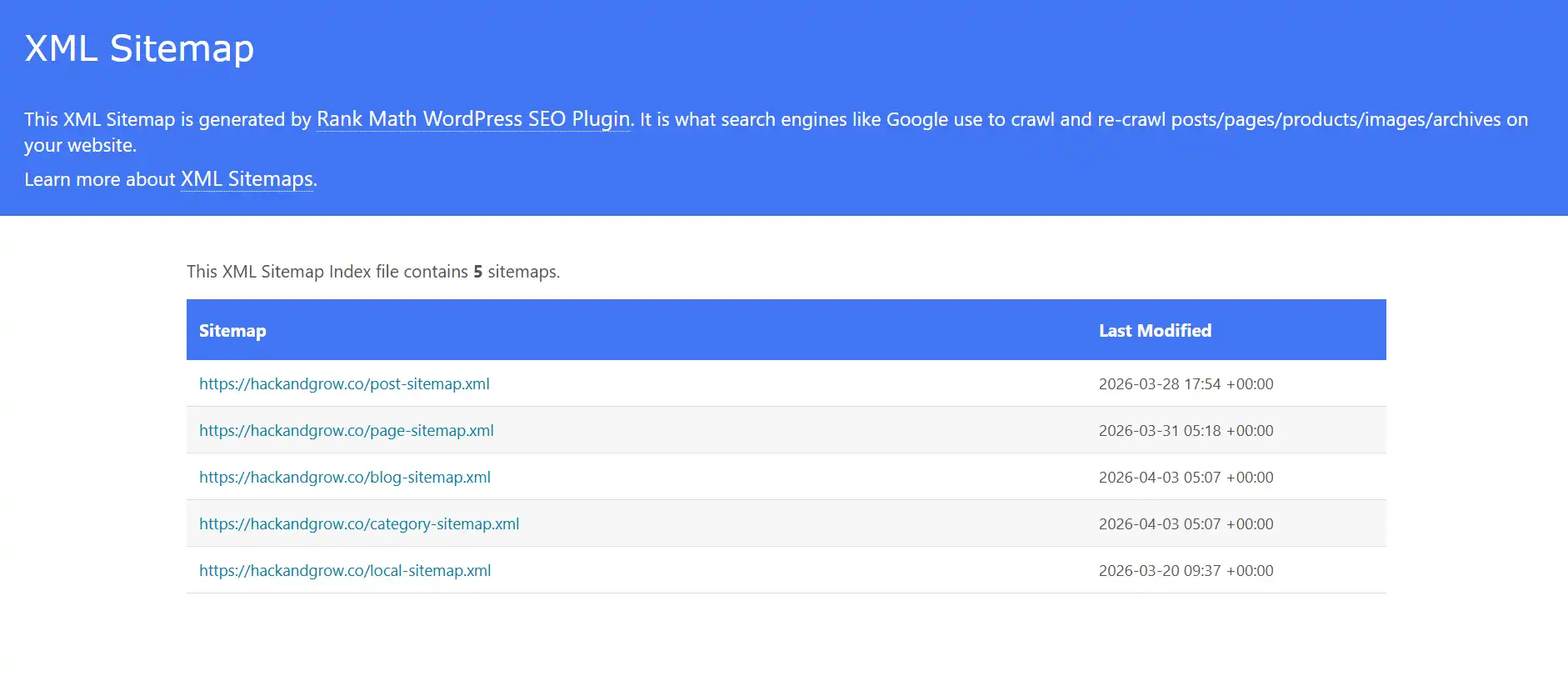
The debate around “one sitemap or multiple sitemaps” gained attention after insights shared by John Mueller, who explained that what may look like unnecessary complexity often has valid reasoning behind it.
The question originally came from an SEO who raised a very logical concern:
Why increase the number of files to manage when one sitemap can do the job?
It’s a fair point. In SEO, minimizing unnecessary work is always preferred, especially for smaller websites.
However, the answer depends heavily on website size, structure, and long-term scalability.
The Google Sitemap Limit: A Key Technical Factor
One of the most important reasons for using multiple sitemaps is the Google sitemap limit.
Google officially allows:
- Up to 50,000 URLs per sitemap file
- File size limit of 50MB (uncompressed)
For small websites, this is more than enough. But for large platforms, like eCommerce stores, news sites, or SaaS products, this limit is reached quickly.
Because of this, many SEO professionals proactively split sitemaps instead of waiting until they hit the limit and then restructuring everything under pressure.
How Multiple Sitemaps Improve Organization
Beyond technical limits, multiple sitemaps offer a clear advantage in terms of structure.
Instead of mixing all URLs together, websites can organize them into groups such as:
- Product detail pages
- Product category pages
- Blog content
- Landing pages
This approach allows SEOs to track indexing performance more precisely.
For example, if blog pages are not getting indexed properly, you can immediately identify the issue without digging through a massive sitemap.
Freshness-Based Sitemap Strategy
Another approach used in a smart SEO sitemap strategy is dividing sitemaps based on content freshness.
For example:
- A sitemap for frequently updated pages
- A separate sitemap for older, evergreen content
The idea is that search engines may prioritize crawling updated content more often.
Even though this behavior isn’t officially confirmed by Google, it is still a widely used practice among SEO professionals, especially for content-heavy websites.
Handling hreflang and International SEO
For websites targeting multiple countries or languages, sitemap complexity increases significantly.
Adding hreflang annotations can make sitemap files large and difficult to manage. In such cases, splitting sitemaps becomes almost necessary to:
- Manage different language versions
- Avoid file size limits
- Maintain a clean structure
This ensures search engines correctly understand which version of a page should be shown to users in different regions.
Not All Sitemap Structures Are Intentional
Interestingly, not every website uses multiple sitemaps as part of a planned SEO strategy.
In many cases:
- CMS platforms automatically generate separate sitemaps
- Plugins divide sitemaps by content type
- Developers implement scalable structures without SEO-specific intent
As even Mueller hinted, sometimes the reason is as simple as:
“The system just created it that way.”
Do Multiple Sitemaps Improve Indexing?
There’s no official confirmation that simply using multiple sitemaps will directly improve rankings.
However, many enterprise-level SEO professionals believe that:
- Keeping sitemap files well below the 50,000 URL limit
- Maintaining clean and structured sitemaps
…can help improve crawl efficiency and indexing consistency.
While this is based more on experience than confirmed Google statements, it’s a widely followed best practice.
One Sitemap vs Multiple Sitemaps: What Should You Choose?
The answer depends on your website.
Use one sitemap if:
- Your website is small
- You have limited pages
- Your structure is simple
Use multiple sitemaps if:
- Your website is large or growing
- You manage different types of content
- You need better tracking and control
- You are approaching the Google sitemap limit
Key Takeaways
- The choice between one sitemap or multiple sitemaps depends on the website scale
- The Google sitemap limit (50,000 URLs) is a major deciding factor
- Multiple sitemaps help organize content into logical groups
- They support better crawl management for large websites
- Not all implementations are strategic, some are automated
Final Thoughts
At first glance, using multiple sitemaps may seem like unnecessary complexity.
But in reality, it often reflects a more structured and scalable approach to SEO.
As highlighted through industry insights, what looks complicated on the surface is usually the result of real technical needs, growing website demands, or automated systems.
In the end, the goal isn’t to keep things simple, it’s to keep them effective.