So yeah… another AI model launch.
At this point, it almost feels routine. Every few weeks, there’s something new: faster responses, better reasoning, improved accuracy.
But GPT-5.5 doesn’t feel like just another upgrade.
There’s a small shift here… but it’s important.
It’s not about giving better answers anymore.
It’s about finishing actual work.
And once you notice that difference, you can’t really unsee it.
AI Is Moving Beyond Just “Helping”
Let’s be honest for a second.
Most AI tools today still need you to do a lot of work.
You ask something → it responds → you correct it → ask again → repeat
It’s helpful, sure. But it’s also exhausting.
You’re still managing everything.
GPT-5.5 tries to change that flow.
Instead of stopping at an answer, it continues.
It plans steps, uses tools, checks output, and moves forward.
Which means… you’re not just getting help.
You’re actually getting things done.
What Makes GPT-5.5 Different
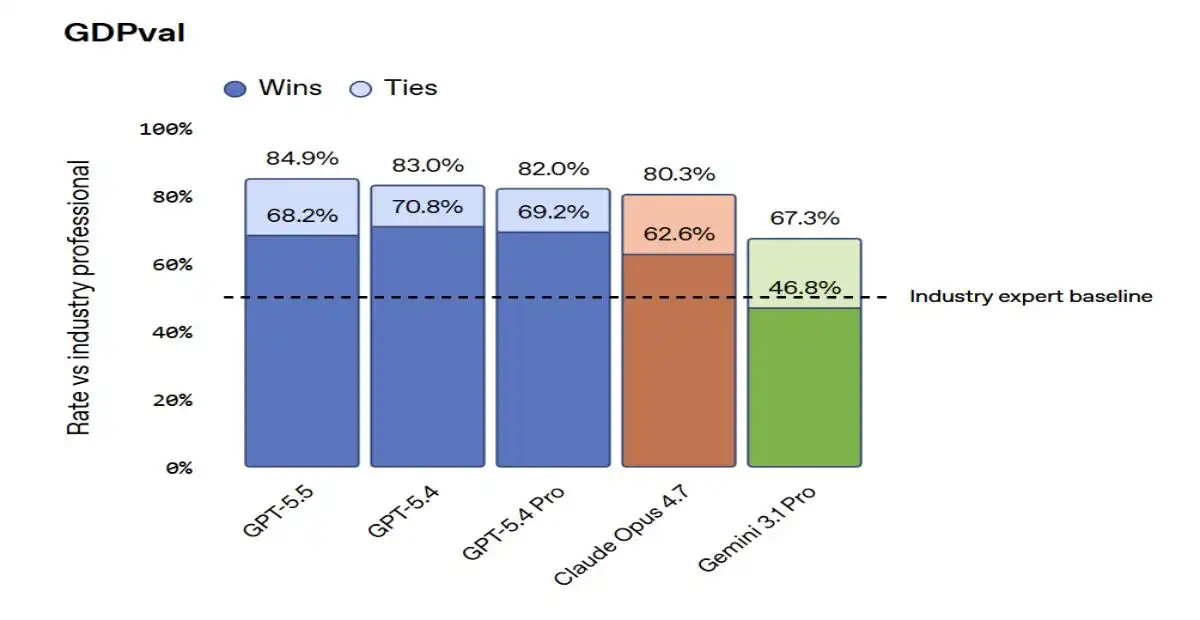
The difference isn’t flashy. It’s practical.
GPT-5.5 is designed for multi-step execution.
That means it can handle work that usually takes multiple iterations.
Here’s what it can do better:
- Plan tasks step-by-step
- Work through ambiguity
- Use tools when required
- Check and refine its own output
- Continue without constant prompts
It’s like the model doesn’t stop halfway anymore.
And if you’ve ever worked on something complex – research, coding, reports – you know how valuable that is.
This Is Where It Starts to Feel Useful
The real test of any AI tool is simple:
Does it save time in real work?
Not demos. Not experiments.
Actual workflows.
And this is where GPT-5.5 stands out.
Companies are already using it for:
- Analyzing large datasets
- Automating internal reports
- Reviewing thousands of documents
- Handling complex customer workflows
One example included processing 70,000+ pages of financial documents faster than before.
Another case showed teams saving 5–10 hours every week just by automating recurring tasks.
That’s not a small improvement.
That’s a shift in how work gets done.
Coding with AI Feels More Stable
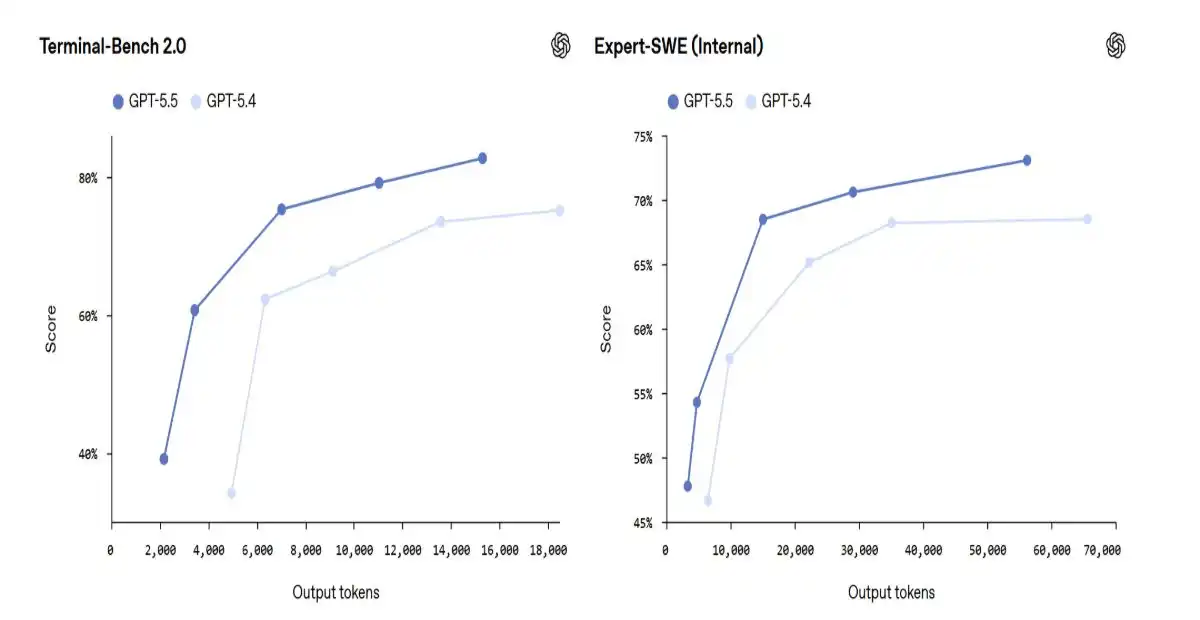
If you’ve used AI for coding, you already know the pattern.
It helps… but it also creates new work.
You fix bugs, rewrite logic, and re-explain context.
GPT-5.5 improves this by staying on the problem longer.
Instead of giving a quick answer and stopping, it:
- Understands the broader system
- Handles multiple steps at once
- Keeps iterating until it reaches a solution
It doesn’t feel like starting over again and again.
And that alone reduces a lot of frustration.
The Real Change Is Trust
Here’s the deeper shift.
AI tools have been powerful for a while now.
But we don’t fully trust them.
Because:
- They hallucinate sometimes
- They miss context
- They require too much guidance
So we limit what they can do.
GPT-5.5 pushes that boundary.
Not perfectly… but enough that you start trusting it with more responsibility.
And once that happens, everything changes.
It’s Not Just About Speed
Most people think AI progress is about speed.
But that’s not the real story here.
The real change is completion.
GPT-5.5 doesn’t just do things faster.
It reduces how much you need to be involved.
That means:
- Less back-and-forth
- Fewer corrections
- More finished outcomes
And that’s where productivity actually improves.
Enterprise Teams Are Watching Closely
This matters a lot for businesses.
Right now, companies are deciding:
Which AI models can we trust inside real workflows?
Because once you integrate a system into your operations,
It’s not easy to change later.
GPT-5.5 is built exactly for this decision point.
It’s not just about performance.
It’s about reliability across long, complex tasks.
And that’s why it’s being tested heavily in:
- Finance
- Legal workflows
- Research environments
- Customer operations
There’s Still a Catch
Let’s not pretend it’s perfect.
GPT-5.5 still has trade-offs.
One key issue:
It sometimes answers confidently, even when unsure.
That’s risky in high-stakes work like:
- Legal analysis
- Healthcare decisions
- Financial modeling
So human review is still important.
This isn’t full automation yet.
It’s assisted autonomy.
So What Actually Changes Now?
The biggest shift is in the question itself.
Earlier, we asked:
“Can AI help me do this?”
Now the question is:
“How much of this can AI do without me?”
That’s a completely different mindset.
And once teams start thinking like that,
Workflows begin to change.
The Bigger Picture
This isn’t just about one model.
It’s about where AI is heading.
From: answering questions
To: completing tasks
From: assisting humans
To: working alongside humans
That transition is already happening.
GPT-5.5 is just one step in that direction.
Final Thought
It’s easy to get caught up in features and benchmarks.
But the real question is simple:
Does this make your work easier?
GPT-5.5 feels like one of the first models
that actually reduces effort, not just thinking effort,
but execution effort.
And that’s why it matters.
Because once AI starts finishing real work…
You stop using it as a tool.
And start relying on it as a system.