Ever noticed how AI-powered search engines give you direct answers instead of a list of links?
You search for something, and before you even think about clicking a website, the answer is already there. Clear. Confident. Almost final. This is where many people start feeling confused about how content is chosen by modern AI search engines.
Slowly, you begin to realise that AI-powered search engines do not work like traditional search. They don’t just rank pages. They select, verify, and extract information before showing it to you.
How AI-Powered Search Engines Think About Content
When you look at modern AI search engines, it helps to forget the idea of rankings for a moment.
Models like ChatGPT, Gemini, and Perplexity don’t browse pages the way humans do. They break content into smaller parts, understand context, and check whether the information is reliable enough to reuse in an answer. This is where AI search engine optimization starts becoming relevant, even if you are not actively trying to optimise.
This is also where Generative Engine Optimization begins to make sense. Content that feels structured, clear, and easy to verify naturally stands out. If information feels scattered or unclear, AI systems usually move past it without making a visible decision.
The Shift From “Ranking Pages” to “Selecting Answers”
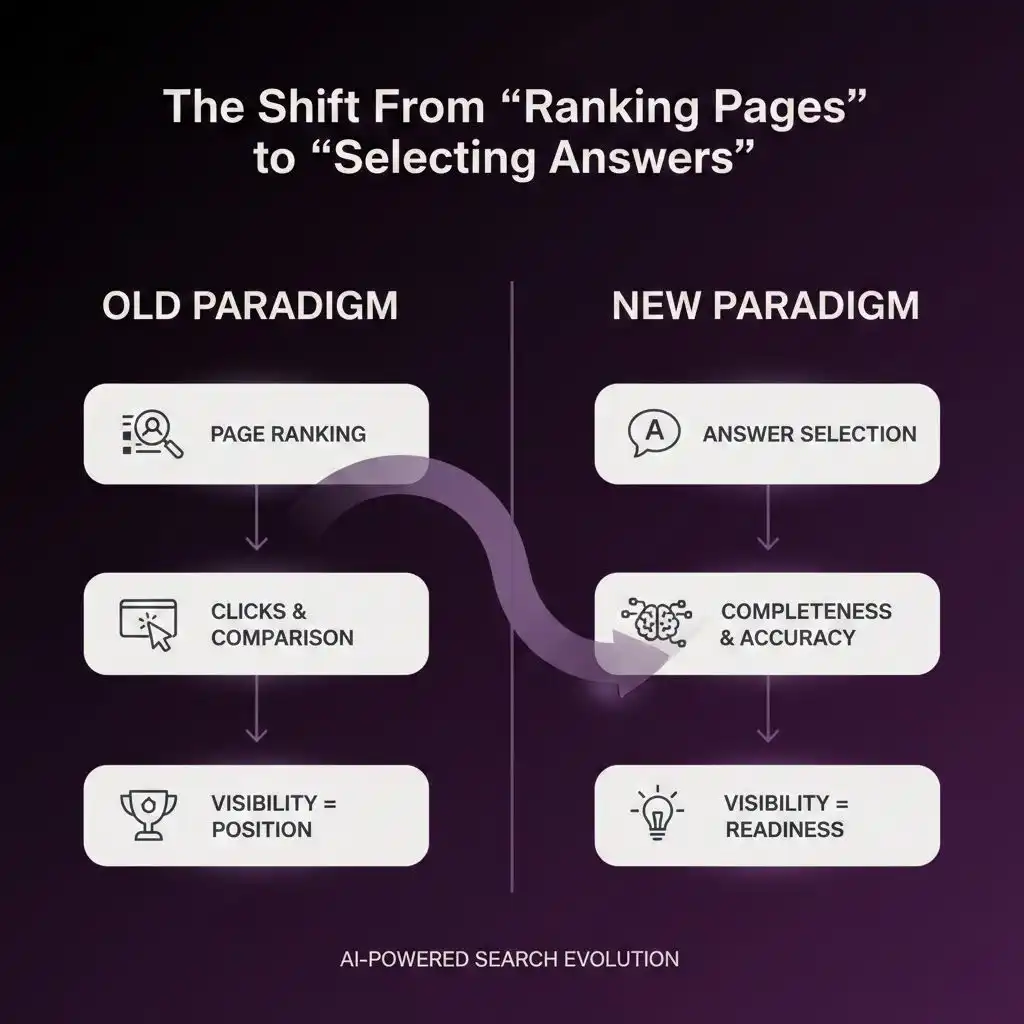
For years, search success meant ranking pages higher than others. That system relied on clicks, comparisons, and user behaviour. Today, AI-powered search engines often present an answer before the reader even considers a page.
This is why many websites feel invisible despite ranking well. AI systems are no longer judging which page looks better. They are deciding which response feels complete, accurate, and ready to present.
The focus quietly moves from page competition to answer readiness.
Because of this shift, visibility depends less on position and more on whether your content feels usable as a response.
How AI-Powered Search Engines Choose Content to Show
At a basic level, AI-powered search engines follow a simple but strict selection process.
They first scan available information sources. Then they test whether the content clearly answers the question. Finally, they check if the information feels safe enough to repeat.
If clarity or trust is missing, the content is ignored, even if it performs well in classic search results.
This selection behaviour explains why clean explanations, direct answers, and consistent tone often outperform heavily optimised pages.
Content that feels easy to reuse usually wins visibility.
Why Content Structure Plays a Critical Role
Structure now matters as much for machines as it does for people.
AI systems rely on headings, sections, lists, and tables to understand meaning. When content is organised clearly, AI search engines can extract the right information without confusion or guesswork.
You may notice that AI-generated answers often sound like neatly written blog sections. That happens because structured content is easier to interpret, summarise, and reuse across different AI responses.
The Importance of Verifiable and Trustworthy Information
Trust is central to how AI-powered search engines decide what to show.
AI models avoid repeating information that feels unsupported or uncertain. Instead, they prefer content that demonstrates credibility through clarity, consistency, and verifiable context.
Trust is built quietly. Not through claims, but through how information is presented.
Over time, content that aligns with widely accepted facts and reliable sources becomes easier for AI systems to reference again and again.
How Freshness Influences AI Content Visibility
Freshness plays a different role in AI-driven search experiences.
For topics that change frequently, recently updated content has a stronger chance of being selected.
AI search engines, including systems connected to the AI search engine Google, prefer answers that reflect the current situation rather than outdated explanations.
This does not mean constant rewriting. It means updating information when context changes, so AI models feel confident sharing it.
Platform Differences: ChatGPT, Gemini, and Perplexity
Although these platforms feel similar, each AI-powered search engine has its own way of evaluating content.
ChatGPT often responds well to clear, step-based explanations.
Gemini benefits from deeper topic coverage aligned with Google’s ecosystem.
Perplexity prefers sources that feel verifiable, structured, and easy to cite.
When content is written clearly and calmly, it usually aligns with all three without needing platform-specific tricks.
Why Brand Mentions and External Signals Matter
AI systems don’t rely only on what is written on your website.
They also observe how often your content or brand is referenced elsewhere. Mentions across trusted platforms help AI search engines feel more confident that the information is recognised beyond a single source.
This visibility grows naturally through consistency, not promotion.
Over time, external references quietly strengthen AI trust.
How to Align Content With AI Ranking Logic
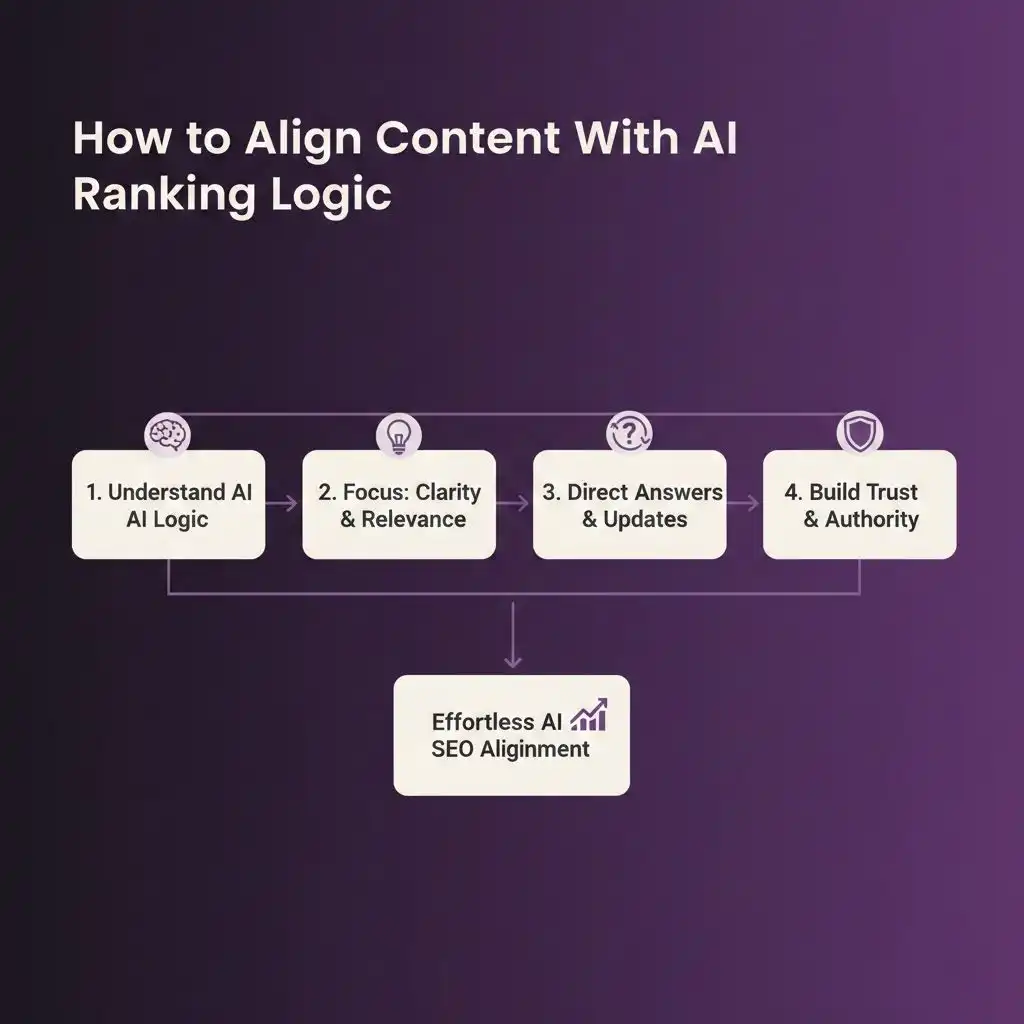
Once you understand how AI-driven ranking works, optimisation feels less stressful.
Instead of chasing tactics, you focus on clarity, structure, and relevance.
You answer questions directly. You update content when necessary. And you allow trust to build through consistency.
This approach aligns naturally with AI search engine optimization without forcing it.
Final Thoughts
AI-powered search engines are not replacing content. They are reshaping how it is chosen and shown.
When content is clear, structured, verifiable, and current, AI models feel comfortable using it.
That comfort is what leads to visibility across AI search engines.
As you start writing with AI understanding in mind, ranking stops feeling mysterious and begins to feel logical.
And that’s when AI-powered search engines finally start working with you, not against you.