Quick Answer: What is a backlink? A backlink is a hyperlink from one website that points to another website. Google treats backlinks as votes of trust. The more quality backlinks your site earns, the higher it can rank in search results.
If you have spent any time reading about SEO, you have almost certainly come across the word backlink. It gets mentioned constantly in SEO guides, agency pitches, and ranking strategies. But most explanations either oversimplify it or make it sound far more complicated than it actually is.
This guide breaks down what is a backlink, what is a backlink in SEO, why backlinks for SEO matter in SEO, the different types of backlinks, and what actually makes a backlink valuable in 2026.
What Is a Backlink?
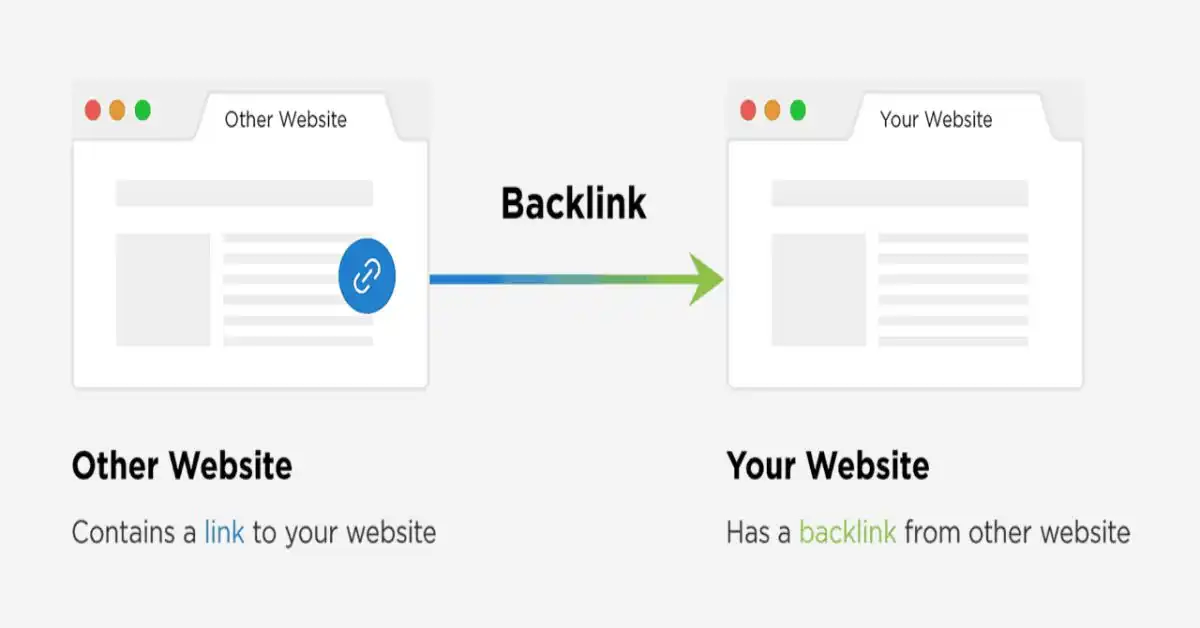
A backlink is simply a hyperlink on one website that points to another website.
When website A publishes an article and includes a link to website B, website B receives a backlink from website A. That is it.
Here is a simple example. If a popular travel blog writes an article about the best SEO Company in Dehradun and includes a link to hackandgrow.co, that link is a backlink for Hack and Grow Company.
What is a backlink in SEO specifically? In SEO terms, a backlink is more than just a link. It is a signal of trust and authority. Google’s algorithm treats backlinks as endorsements. If credible websites are linking to your page, Google concludes that your page must be worth recommending to users.
This logic has been at the core of Google’s ranking system since PageRank was first introduced in 1998, and despite hundreds of algorithm updates, backlinks remain one of the strongest ranking signals in 2026. According to Ahrefs data from 2025, 96.55% of all pages on the internet receive zero organic traffic from Google, and a lack of backlinks is cited as one of the primary reasons.
Why Do Backlinks for SEO Matter?
Backlinks for SEO matter for three core reasons.
Authority Building
Every backlink transfers a portion of the linking website’s authority to your website. This is commonly referred to as PageRank or link equity. A backlink from a high-authority site like Forbes or a major news publication carries far more weight than a backlink from a brand-new blog with no established credibility.
Faster Discoverability
Search engine crawlers follow links to discover new pages on the internet. If your new blog post gets linked to from an established website, Google’s crawlers will find and index it much faster than if it had no links pointing to it. This is particularly important for new websites and newly published content.
Trust Signals for E-E-A-T
When multiple credible websites link to your page, Google interprets this as a sign that your content is reliable, expert, and worth ranking. This connects directly to Google’s E-E-A-T framework, which stands for Experience, Expertise, Authoritativeness, and Trustworthiness. Backlinks from authoritative sources are one of the clearest signals of authoritativeness that Google’s quality evaluators look for.
According to Backlinko’s 2025 ranking factors study analyzing 11.8 million Google search results, the number of unique referring domains linking to a page is one of the strongest correlates with high Google rankings. Pages ranking in position one had an average of 3.8 times more backlinks than pages ranking in positions two through ten.
Types of Backlinks
Understanding the types of backlinks helps you focus your link building efforts on what actually moves rankings. Not all backlinks are created equal, and some can actually harm your SEO if they come from the wrong sources.
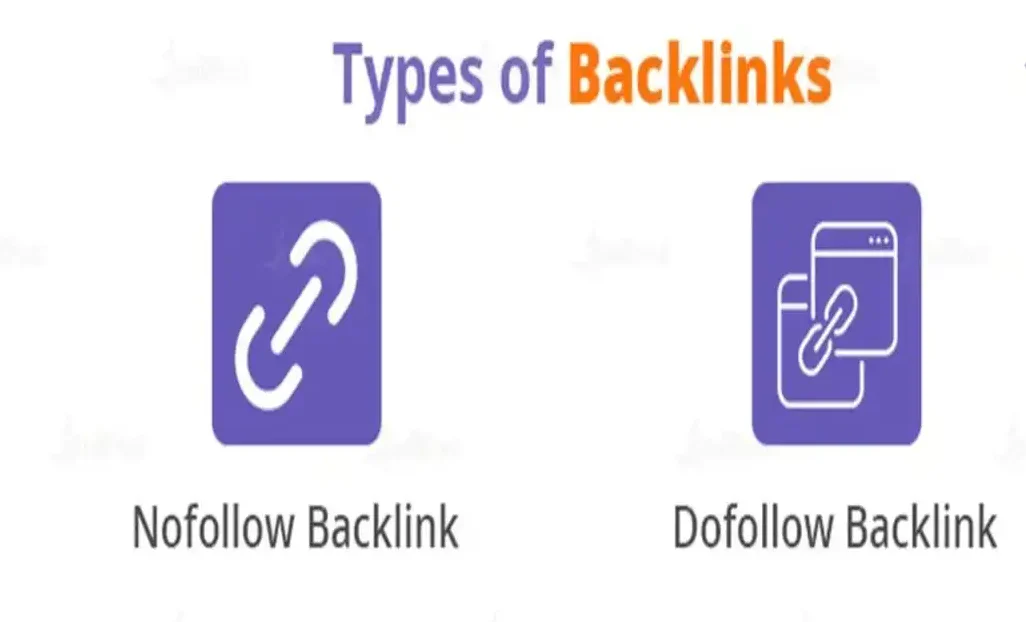
Dofollow Backlinks
A dofollow backlink is the standard type of backlink. It passes link equity from the linking site to your site and directly impacts your SEO rankings. When marketers talk about building backlinks for SEO, they almost always mean dofollow links. This is what is a backlink in its most impactful SEO form.
Nofollow Backlinks
A nofollow backlink includes a tag that tells search engines not to pass authority through the link.
rel="nofollow"
Nofollow links do not directly pass PageRank, but they are not worthless. They drive referral traffic, build brand awareness, and contribute to a natural-looking backlink profile. Wikipedia, most news websites, and many social media platforms use nofollow tags on their outbound links. Google updated its nofollow guidance in 2019 to treat nofollow as a hint rather than a directive, meaning some nofollow links may still carry partial weight.
Sponsored Backlinks
A sponsored backlink uses the rel=”sponsored” tag and indicates that the link was paid for. Google introduced this tag in 2019 and requires it on all paid links. Using paid links without the proper tagging is a violation of Google’s webmaster guidelines and can result in manual penalties.
UGC Backlinks
UGC stands for user-generated content. These backlinks use the rel=”ugc” tag and are common in comments sections and community forums. They signal to Google that the link was created by a user rather than the website owner, reducing their direct ranking influence but still contributing to brand visibility.
Editorial Backlinks
An editorial backlink is earned naturally when a website links to your content because it is genuinely valuable and worth referencing. These are the most powerful backlinks for SEO because they are unsolicited endorsements from real editors and content creators. Getting mentioned in a major industry publication, a research article, or an expert roundup without asking for it is a textbook editorial backlink.
Guest Post Backlinks
A guest post backlink comes from an article you write and publish on another website. You provide content to their audience in exchange for a link back to your site. When done on relevant, high-quality websites with genuine editorial standards, guest posting is one of the most effective and scalable backlink strategies available.
Directory Backlinks
Directory backlinks come from business listing websites like JustDial, Sulekha, Clutch, GoodFirms, and industry-specific listing platforms. For local businesses, these are particularly valuable because they strengthen local SEO signals while also building backlink diversity. They are also among the easiest backlinks to acquire.
Broken Link Backlinks
A broken link backlink is earned by finding a broken outbound link on another website, creating content that covers the same topic, and asking the website owner to update the broken link to point to your content instead. It is a genuinely helpful outreach strategy that provides direct value to the website receiving the request.
What Makes a Backlink Valuable?
Now that you understand what is a backlink and the main types of backlinks, here is what actually determines whether a backlink helps or harms your SEO.
Relevance of the Linking Site
A backlink from a website in your industry or niche is far more valuable than a random link from an unrelated site. If you are an SEO agency in Dehradun, a backlink from a marketing blog carries significantly more weight than a backlink from a cooking website. Google’s Helpful Content updates in 2023 and 2024 have further reinforced topical relevance as a key factor in link evaluation.
Authority of the Linking Domain
Links from websites with high Domain Authority (DA) or Domain Rating (DR) pass more ranking power. A single backlink from a nationally recognized publication can outweigh hundreds of links from low-quality blogs. Tools like Ahrefs, SEMrush, and Moz measure domain authority to help you assess the value of potential link sources.
Placement Within the Content
A link placed naturally within the main body content of an article is more valuable than a link buried in a footer or sidebar. In-content links receive more attention from both users and search engines. Google’s link evaluation algorithms assign higher weight to contextually placed links that appear naturally within relevant surrounding text.
Anchor Text
The clickable text of a link gives Google context about what the linked page covers. Keyword-rich anchor text can help your page rank for that keyword, but overusing exact match anchor text looks unnatural and can trigger algorithmic penalties. A healthy mix of branded, partial match, and generic anchor text is the safest and most effective approach.
Diversity of Referring Domains
Getting 10 backlinks from 10 different websites is more valuable than getting 10 backlinks from the same website. Google values referring domain diversity. A wide range of unique domains linking to your site signals broader trust across the web and is harder to manipulate artificially.
What Makes a Backlink Harmful?
Just as quality backlinks help rankings, toxic backlinks can damage them. Google’s Penguin algorithm, first launched in 2012 and now running as a real-time component of Google’s core algorithm, specifically targets manipulative link building patterns.
Backlinks that can hurt your SEO include links from link farms and private blog networks, links from completely unrelated or low-quality spam websites, paid links without the required rel=”sponsored” tag, and links with over-optimized exact match anchor text at unnatural scale.
If you have harmful backlinks pointing to your site, you can disavow them through Google Search Console. This tells Google to ignore those links when evaluating your domain.
How to Build Backlinks for SEO in 2026
Building quality backlinks is one of the most time-intensive parts of SEO. Here are the most effective strategies that align with Google’s current quality guidelines.
Create Genuinely Linkable Content
The foundation of any backlink strategy is content that people genuinely want to reference. Original data studies, comprehensive beginner guides, expert opinion pieces, and visual assets like infographics naturally attract links over time without any outreach required.
Guest Posting on Relevant Websites
Identify websites in your niche that accept guest contributions and have genuine editorial standards. Write high-quality articles that provide real value to their audience and include a natural contextual link back to relevant content on your site.
Directory and Citation Building
Submit your business to reputable directories like Clutch, GoodFirms, JustDial, Sulekha, and industry-specific listing platforms. These are quick wins for local businesses and simultaneously strengthen local SEO citation signals.
Digital PR and Media Mentions
Getting cited in news articles, expert roundups, and industry publications is one of the highest-quality ways to earn editorial backlinks. Platforms like HARO (Help a Reporter Out) and Connectively connect journalists with expert sources and can generate high-authority backlinks from major publications.
Client and Partner Links
If you have existing business relationships, ask clients and partners to link to your website from their testimonials, partner pages, or relevant content. These are easy to earn and carry genuine relevance signals.
Broken Link Building
Use tools like Ahrefs or SEMrush to find broken outbound links on relevant websites in your niche. Reach out to the site owner, point out the broken link, and suggest your content as a relevant replacement. This strategy has a high acceptance rate because it genuinely helps the site owner fix a problem.
Backlinks vs Internal Links
A common point of confusion for beginners learning what is a backlink is the difference between backlinks and internal links.
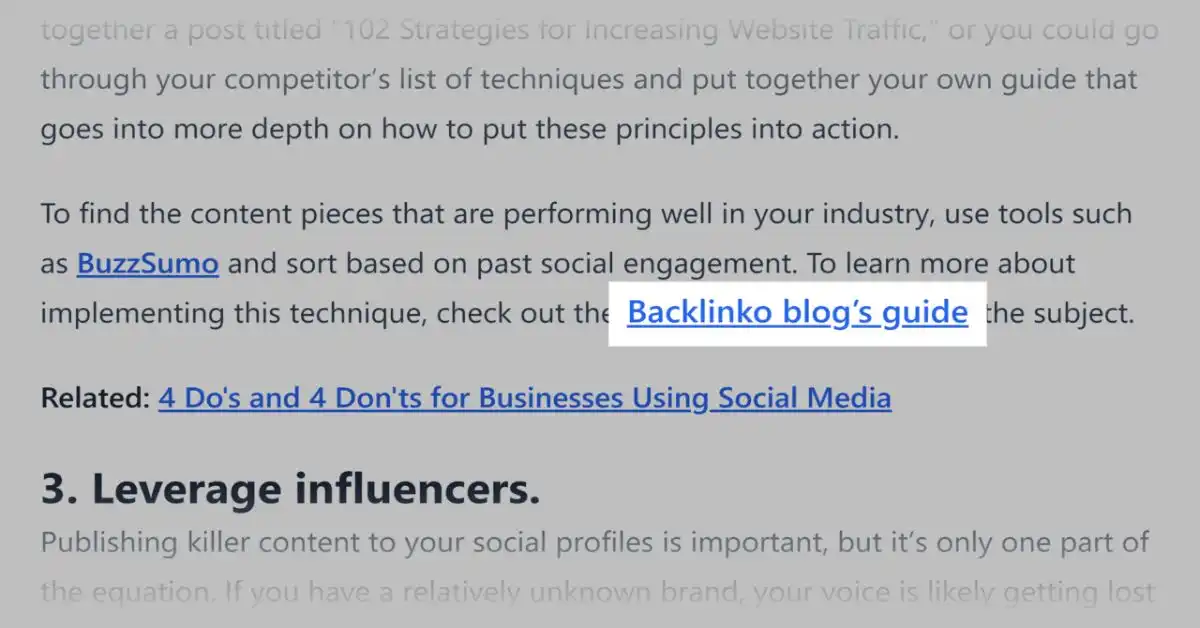
A backlink comes from an external website and points to your site. An internal link connects two pages within your own website. Both matter for SEO but serve different purposes. Backlinks build your site’s authority in Google’s eyes. Internal links help Google understand your site’s structure and distribute authority across your own pages efficiently.
A complete SEO strategy uses both. Understanding what is a backlink is step one. Understanding how to connect that with strong internal linking is step two.
The Bottom Line
Understanding what a backlink is is the first step toward building a stronger online presence. Backlinks are not just links. They are trust signals, authority builders, and discoverability tools all in one.
The quality of your backlinks matters far more than the quantity. One backlink from a credible, relevant, high-authority website will do more for your rankings than a hundred links from low-quality sources. In 2026, Google’s algorithms are sophisticated enough to identify and reward genuine editorial endorsements while discounting or penalizing manipulative link patterns.
Frequently Asked Questions
What is a backlink in simple terms?
A backlink is a link from one website that points to another website. When any external website includes a hyperlink to your page, that is a backlink for your site. Search engines like Google use backlinks as trust and authority signals when deciding how to rank your pages in search results.
What is a backlink in SEO specifically?
In SEO, what is a backlink goes beyond just a hyperlink. It is a ranking signal. Google’s algorithm treats each backlink as a vote of confidence from the linking website. The more authoritative and relevant the linking site, the more ranking power that the backlink passes to your page.
How many backlinks do I need to rank on Google?
There is no fixed number. What matters more than quantity is the quality and relevance of your backlinks. A small number of high-authority, relevant backlinks will consistently outperform hundreds of low-quality links. Focus on earning backlinks from credible, relevant websites in your industry rather than chasing volume.
Are all backlinks good for SEO?
No. Low-quality backlinks from spammy, irrelevant, or penalized websites can harm your rankings. Google’s Penguin algorithm is specifically designed to detect and penalize manipulative link patterns. Always focus on earning natural, relevant, high-quality backlinks from authoritative sources.
What is the difference between a dofollow and a nofollow backlink?
A dofollow backlink passes authority from the linking site to your site and directly impacts SEO rankings. A nofollow backlink includes a tag that traditionally signals search engines not to pass authority. Since Google’s 2019 update, nofollow is treated as a hint, meaning some nofollow links may still carry partial weight. Both types contribute to a natural-looking backlink profile.
How do I check how many backlinks my website has?
You can check your backlinks for free using Google Search Console under the Links report. For more detailed analysis, tools like Ahrefs, SEMrush, and Moz provide comprehensive backlink data, including anchor text distribution, domain authority of linking sites, and new or lost links over time.
What is a good backlink profile?
A good backlink profile has links from diverse, relevant, high-authority websites with varied anchor text, a natural mix of branded, partial match, and generic terms. It grows steadily over time without sudden artificial spikes. It contains no links from spammy, irrelevant, or penalized websites. Diversity of referring domains is one of the clearest indicators of a healthy, trustworthy backlink profile.