
In 2026, search no longer works the way it used to. You may notice that even when your website is helpful and well-made, AI tools answer questions without sending people to your pages.
This happens because AI-powered search engines now decide what to show, explain, and recommend before users ever see a list of links. For small websites, this shift feels confusing and sometimes unfair.
In this blog, you’ll understand what AI search engine optimization really means for small websites, how AI SEO in 2026 is different from traditional SEO, and how small businesses can stay visible without big budgets.
Why AI Search Feels Harder for Small Websites
For many years, search engine optimization for small businesses followed a clear path. You fixed SEO basics, wrote content, and slowly climbed rankings. Traffic followed effort.
AI search breaks this pattern.
AI tools like Google AI Overviews, ChatGPT, and Gemini often give full answers on their own. Users read, understand, and move on. They don’t always click.
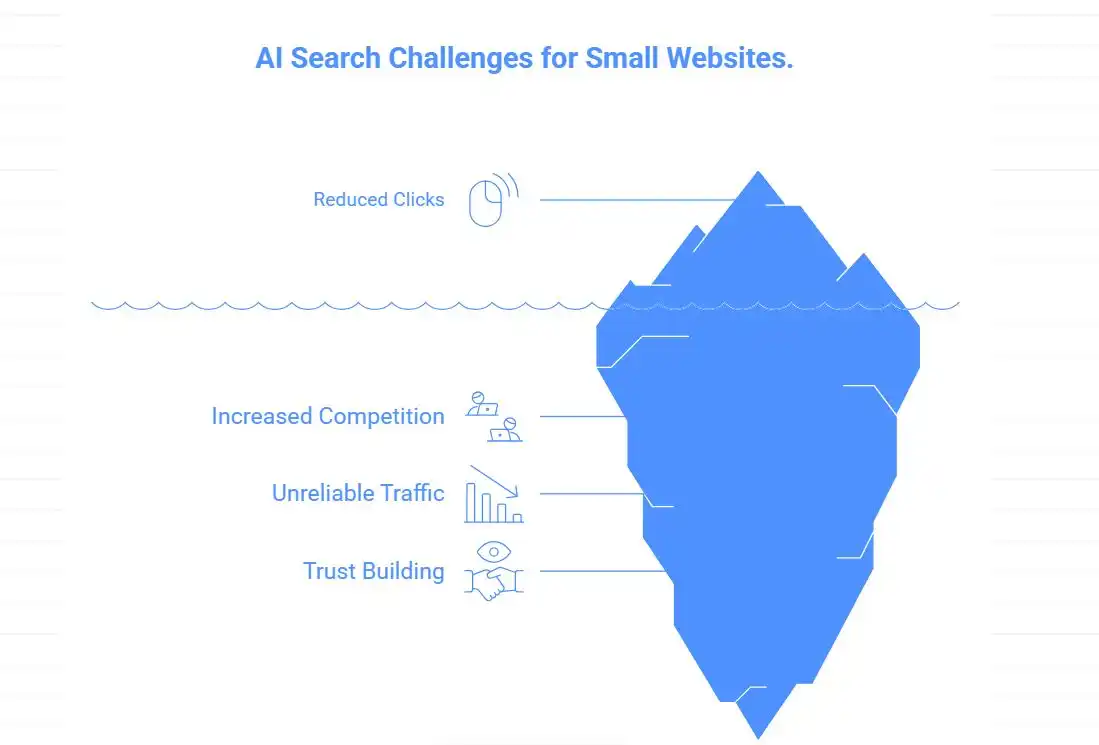
For small websites, this feels risky because:
- Fewer clicks mean fewer chances to convert
- Competing with big brands feels harder
- Effort doesn’t always show in traffic
But AI search also changes how trust is built, and this is where small sites still have an advantage.
AI Search Engine Optimization Is About Being Chosen, Not Ranked
Traditional SEO focused on ranking positions.
AI search engine optimization focuses on selection.
AI does not ask, “Who ranks first?”
It asks, “Who explains this best and safest?”
This is an important mindset shift.
For search optimization with AI, visibility comes from clarity, not competition. AI prefers sources that:
- Stay focused on one topic
- Explain things clearly
- Look reliable over time
Small websites can do this better than large, generic ones.
How AI SEO in 2026 Changes Content Expectations
In 2026, AI SEO is not about writing more content.
It is about writing usable content.
AI systems break pages into small pieces of meaning. They look for clear answers they can reuse without confusion.
This means content for AI models should:
- Answer questions directly
- Stay on one idea per section
- Avoid unnecessary filler
If your content makes AI hesitate, it will be skipped, even if it is correct.
Why Fixing Basic SEO Still Matters
AI search does not replace basic SEO.
It builds on it.
If your website has broken pages, confusing URLs, slow loading, or missing metadata, AI may never even reach your content.
For small businesses, this step is critical because AI tends to prefer sources that are easy to crawl and understand.
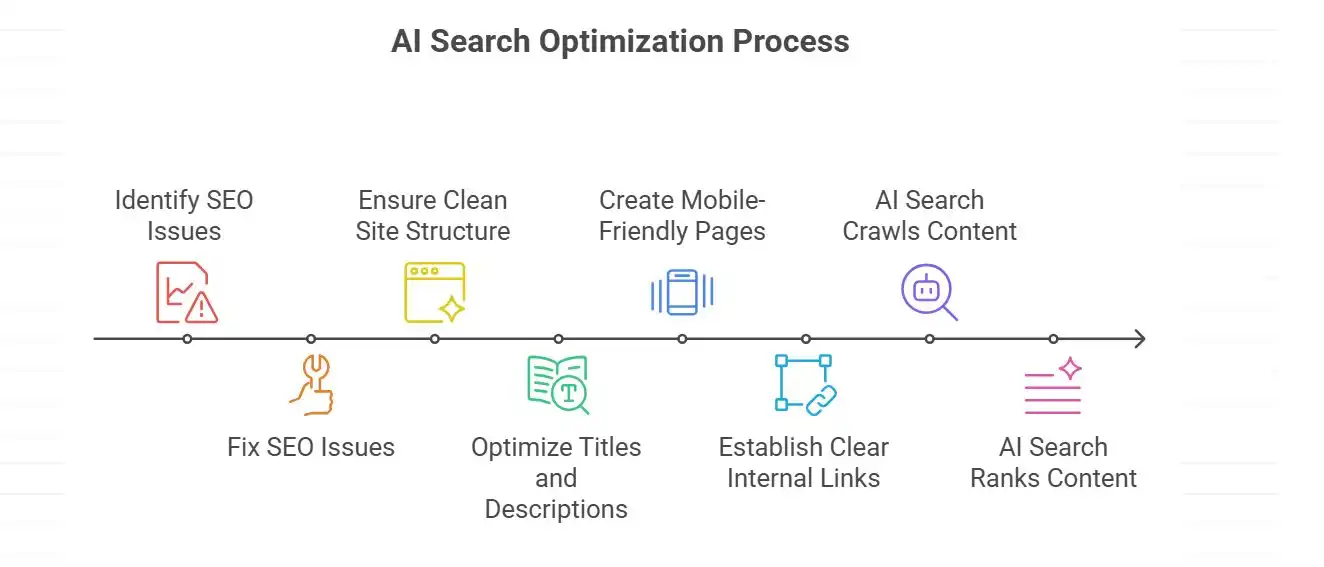
Good AI SEO for websites starts with:
- Clean site structure
- Proper titles and descriptions
- Mobile-friendly pages
- Clear internal links
Think of this as making your site readable before making it impressive.
Structure Is the First Trust Signal for AI
AI does not read as humans do.
It scans patterns.
Well-structured pages are easier for AI to understand, summarise, and trust.
For small websites, this is powerful because structure does not require money. It requires intention.
Good structure means:
- Clear headings
- Short sections
- Simple language
- Logical flow
This is one of the biggest advantages in search engine optimization for small businesses in the AI era.
Why Question-Based Content Works Better Now
People no longer search in short phrases.
They ask full questions.
AI SEO in 2026 works best when content matches this behaviour.
Instead of targeting:
best accounting software
Think in terms of:
Which accounting software works best for a small local business?
When your content mirrors real questions, AI understands intent better and trusts your answers more.
This is a quiet but powerful shift in search optimization AI.
FAQs Are No Longer Optional
AI loves clear questions with clear answers.
For small websites, adding FAQs to important pages is one of the easiest and safest wins.
FAQs work well for AI because:
- each question stands on its own
- Answers are short and direct
- meaning is easy to extract and reuse
This approach applies naturally to homepages, service pages, product pages, and even blog posts.
In AI search engine optimization, FAQs act like ready-made answers that AI systems can confidently pick and summarise.
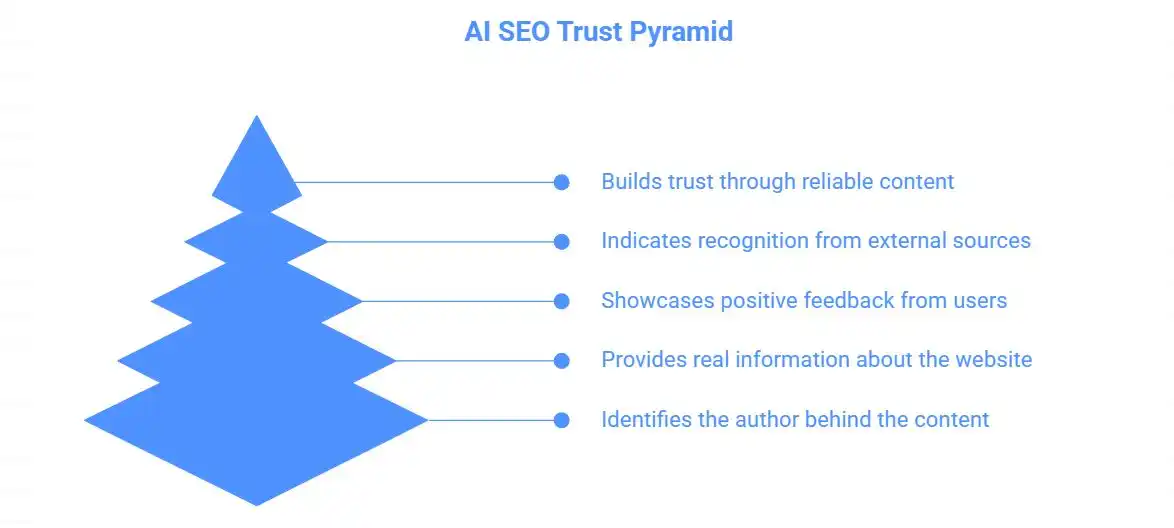
Trust Signals Matter More Than Size
Small websites often think trust comes from being big.
AI does not think this way.
AI looks for signals that reduce risk.
These include:
- Clear authorship
- About pages with real details
- Reviews and testimonials
- Mentions from other sites
You don’t need thousands of links.
You need consistency and credibility.
This is where AI SEO for websites rewards small, focused brands.
Why Long-Tail Queries Are a Small Business Advantage
Big brands chase broad terms.
Small websites can own specific ones.
AI search prefers detailed, situational answers. This makes long-tail queries more valuable than ever.
For example:
- Can a small café use AI tools for marketing?
- Is AI SEO worth it for a local service business?
Answering these questions clearly helps AI see your site as useful and relevant.
This is a core strategy in AI SEO in 2026.
Brand Mentions Help AI Notice You
AI learns from the wider web, not just your website.
When your brand is mentioned across different places, AI gains more confidence in your existence and relevance.
This includes mentions of:
- blogs
- forums
- review sites
- social platforms
For small businesses, this often comes from:
- guest writing
- local mentions
- community participation
You don’t need fame.
You need a steady, visible presence.
Measuring Success Looks Different Now
Traditional SEO measured clicks.
AI SEO measures influence.
You may notice:
- Fewer clicks
- More brand mentions
- Better-quality visitors
This can feel uncomfortable, but it is part of the shift.
In search optimization with AI, success includes being referenced, not just visited.
Why Small Websites Still Have an Edge
Small websites are often:
- More focused
- More human
- More specific
AI values these qualities.
Large brands often publish broad, safe content. Small businesses can publish deep, experience-based content that AI trusts more.
This is why search engine optimization for small businesses is not losing relevance. It is changing shape.
What to Focus On First as a Small Website
If you feel overwhelmed, start small.
Focus on:
- One clear topic area
- Clear explanations
- Clean structure
- Honest expertise
AI search engine optimization is not about chasing trends. It is about becoming understandable.
Final Thoughts
AI search is not here to punish small websites.
It is here to reduce noise.
In 2026, AI search engine optimization rewards clarity, structure, and trust more than size or budgets. Small websites that stay focused and helpful can still win.
The goal is no longer to shout louder.
It is to explain better.
When your site becomes easy for AI to understand, summarise, and trust, visibility follows quietly.