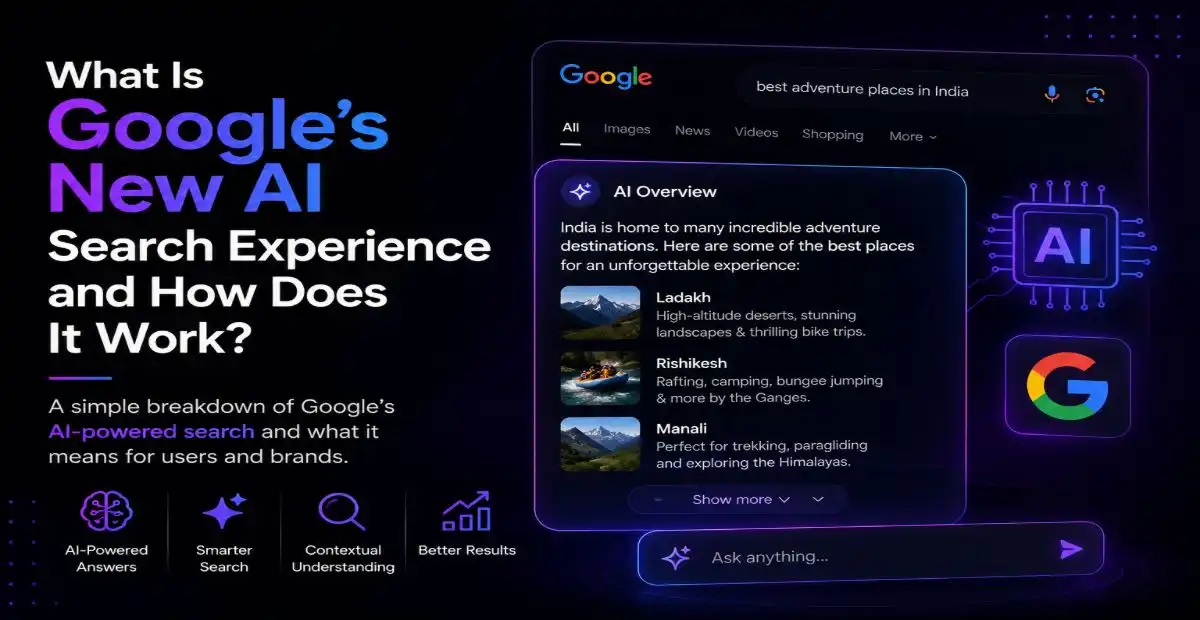
Google is entering a completely different phase of Search.
And honestly… this feels much bigger than a normal update.
For years, Search mostly worked the same way. You type keywords, open links, compare information, and keep searching until you find what you need. But now Google is trying to change that entire process with its new AI Search experience powered by Gemini 3.5 Flash.
The goal is no longer just showing results.
It’s helping people complete tasks, continue conversations, and interact with information more naturally.
How Is AI Search Different From Traditional Google Search?
Traditional Search depends heavily on keywords.
You type something short like “best laptops 2026” or “weather tomorrow,” and Google gives you a list of links. Then you decide where to click.
But the new Google AI Search system works differently. It is designed to understand more natural questions, longer context, and even incomplete thoughts.
Instead of only matching keywords, the system now tries to understand intent.
That means users can ask:
- complex questions
- follow-up questions
- detailed requests
- multi-step tasks
And Search continues the conversation while keeping context active.
This creates a much more interactive experience compared to traditional search engines.
What Is the New AI-Powered Search Box?
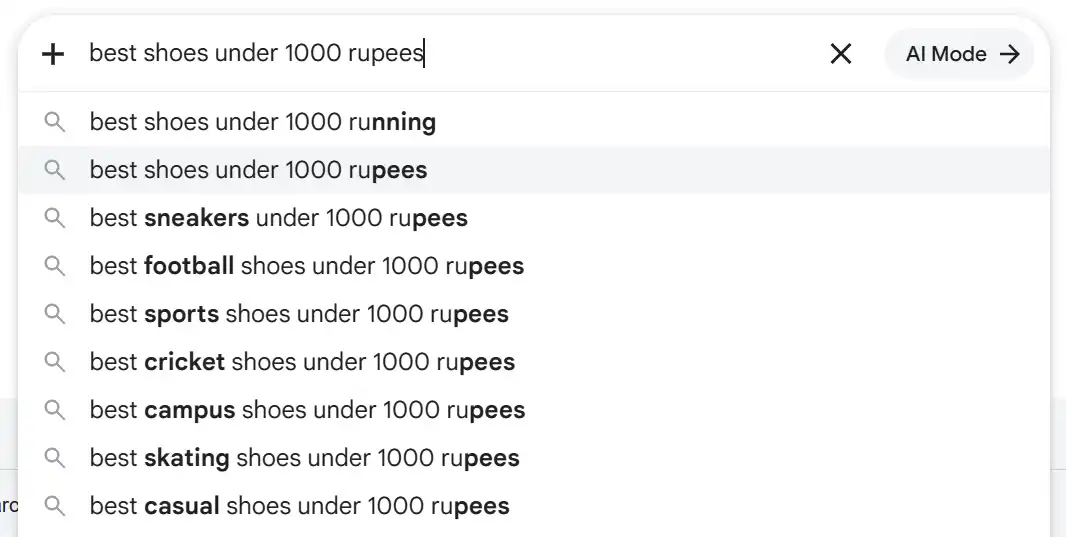
One of the biggest changes Google announced is a completely redesigned Search box powered by AI.
According to Google, this is the biggest upgrade to Search in over 25 years.
The new Search box dynamically expands as users type and helps generate better questions through AI-powered suggestions. Instead of basic autocomplete, the system now actively helps people shape their searches.
This matters because many people don’t always know how to phrase complex questions properly. AI Search tries to bridge that gap by understanding intent before the full query is even completed.
The upgraded search experience also supports multiple input formats, including:
- text
- images
- files
- videos
- Chrome tabs
So users are no longer limited to typing keywords only.
How Does Gemini 3.5 Flash Power AI Search?
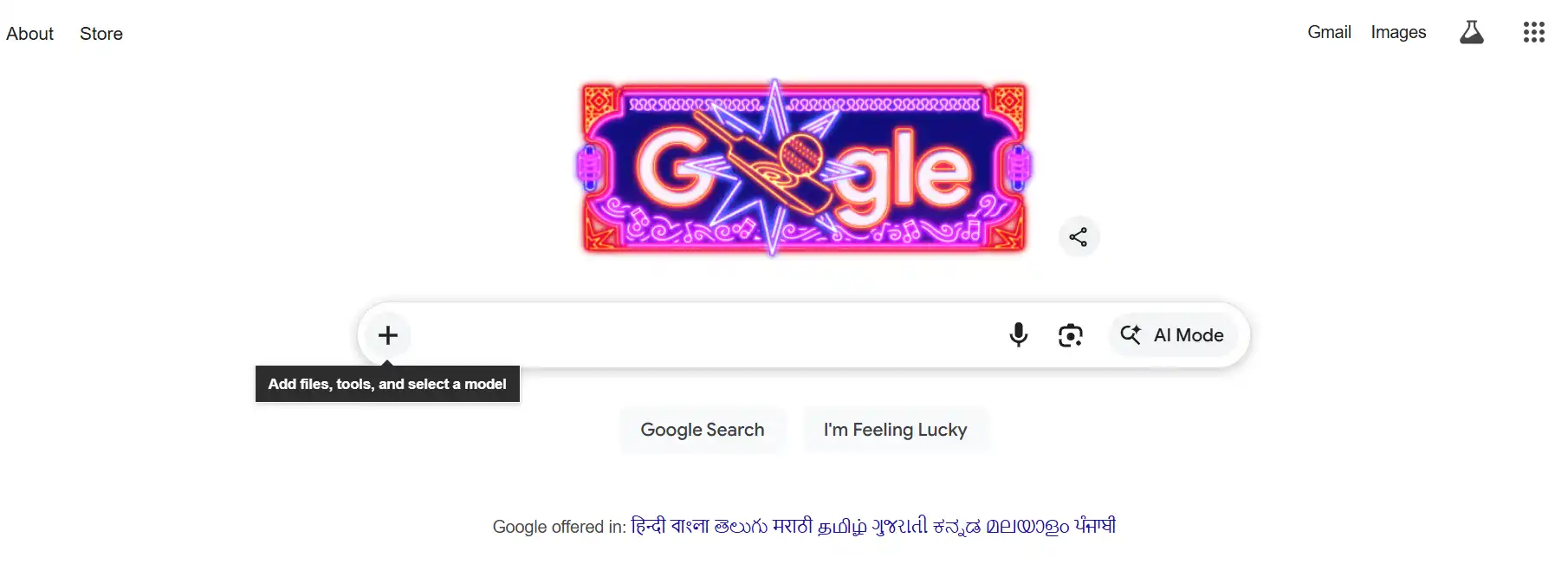 What Is Google’s New AI Search Experience and How Does It Work?
Google confirmed that Gemini 3.5 Flash is becoming the default model inside AI Mode globally.
This is important because Gemini 3.5 Flash is built for stronger reasoning, coding, and agent-based tasks.
That means AI Search can now:
- answer more complex questions
- understand ongoing conversations
- generate custom interfaces
- build interactive responses
- support agentic workflows
Instead of static answers, Search becomes more dynamic and adaptive.
Google is basically merging a search engine with conversational AI systems.
What Are AI Search Agents?
This is probably the most interesting part of the update.
Google is introducing AI search agents that can continuously monitor information across the internet for users.
Instead of searching repeatedly for updates, users can assign a task to an AI agent and let it monitor the web automatically.
For example:
- tracking apartment listings
- monitoring sneaker launches
- following sports updates
- checking pricing changes
- watching financial trends
The AI agent continuously scans websites, blogs, news sources, and real-time information to detect relevant updates.
Then it sends a summarized response back to the user.
This changes Search from being reactive to becoming proactive.
How Is Agentic AI Changing Search?
Google is also introducing agentic capabilities directly into Search.
This means AI Search can now generate tools, trackers, dashboards, and interactive interfaces on demand.
Instead of simply answering questions, Search can now build mini applications in real time.
For example, users could ask Search to create:
- a personalized fitness tracker
- a wedding planning dashboard
- a home moving checklist
- a budgeting tool
- interactive simulations for learning
Google calls these generative UI experiences. The AI dynamically assembles visuals, tables, graphs, and components based on the user’s request.
This is a major shift because Search is moving beyond information retrieval into task execution.
How Will AI Search Handle Real-World Tasks?
Google is also expanding agentic booking capabilities inside Search.
Users can describe highly specific requirements, and Search will help organize available options automatically.
For example:
“Find a private karaoke room for six people on Friday night with food available late.”
Instead of manually searching multiple websites, Search can combine availability, pricing, and booking options into one experience.
Google also announced that for some local services like home repair or beauty appointments, Search may even contact businesses on behalf of users.
That’s a completely different level of interaction compared to traditional search engines.
What Is Personal Intelligence in AI Search?
Google is also expanding what it calls Personal Intelligence.
This allows users to connect services like Gmail, Google Photos, and eventually Google Calendar with AI Search.
The purpose is to make Search more context-aware.
For example, Search could potentially:
- understand your travel plans
- organize reminders
- suggest schedules
- personalize recommendations
- connect information across apps
Google says users remain fully in control and can decide when apps are connected or disconnected.
Still, this shows how Search is becoming more personalized and assistant-like over time.
Why Does This Matter for the Future of Search?
This update changes the role of Search itself.
For decades, search engines mainly helped people find information.
Now Google wants AI Search to help people:
- complete workflows
- organize tasks
- monitor updates
- generate tools
- continue conversations
The interaction model is changing from:
search → click → repeat
to:
ask → interact → accomplish tasks
And honestly… that’s a much bigger shift than it first appears.
What Does This Mean for Users and Businesses?
For users, AI Search could reduce the amount of manual searching and repetitive work needed online.
For businesses, this also changes how visibility works. If AI systems summarize information directly inside Search, websites may need to rethink how they attract traffic and attention.
The rise of Google AI Search also increases the importance of:
- structured content
- authority signals
- real-time information
- conversational optimization
Because AI systems now interpret and synthesize content instead of only ranking links.
Final Thoughts
Google’s new AI Search experience is not just another AI feature.
It’s a redesign of how Search itself works.
From intelligent search boxes to AI search agents, Google is turning Search into something much closer to an active assistant than a traditional search engine.
And honestly… this may be the beginning of a much larger shift where users stop “searching” in the old sense completely.